Source reusable hemolok ligation clip for Surgery, Abdominal, and Tissue Closure
Compare 30 listings for reusable hemolok ligation clip from verified suppliers in China. Buyers can evaluate specifications like material, sterilization, and packaging to find the right surgical tools for abdominal and tissue closure procedures; compare the available evidence and request quotations based on your requirements.
Key considerations
Products List




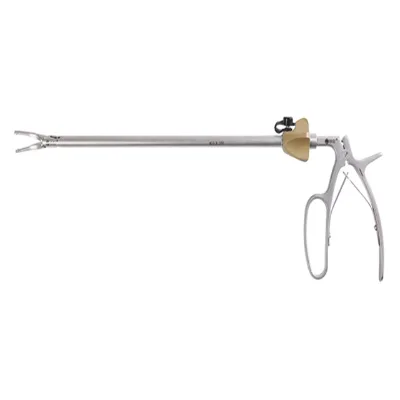


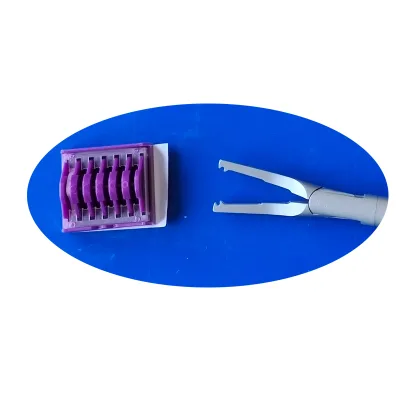
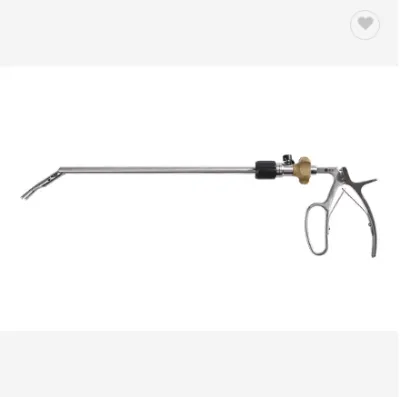
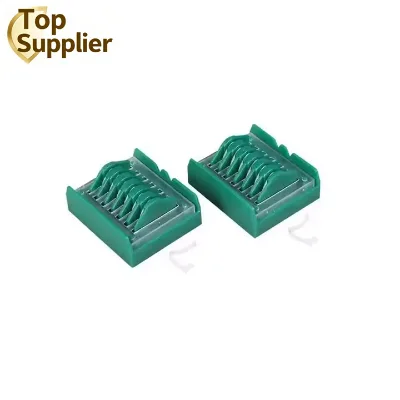
Comprehensive Sourcing Guide
Reusable Hemolok Ligation Clip Sourcing Guide
Procuring reusable hemolok ligation clips requires a nuanced understanding of surgical instrument classification and material science. These devices are typically categorized as Class II medical instruments, demanding rigorous verification of their mechanical integrity and sterilization compatibility. Buyers must distinguish between single-use titanium clips and reusable polymer-based alternatives, as the latter often utilize materials like POM for durability and reusability. The distinction is critical for inventory management and cost analysis, as reusable options offer long-term value despite higher initial unit costs.
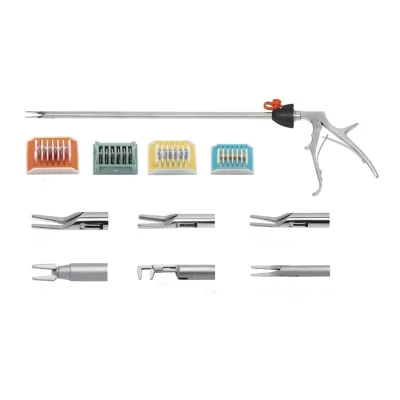
The market landscape includes various surgical kits and individual components, with origins frequently traced to manufacturing hubs in China. Sourcing decisions should prioritize suppliers who provide transparent product names, such as tissue closure clamps or specific clip models, alongside clear size classifications like S, M, L, or XL. Understanding the physical attributes, including weight and packaging dimensions, is essential for logistics planning. Buyers must also consider the power source, noting that many reusable clamps are manual instruments, which influences ergonomic considerations for surgical teams during prolonged procedures.
Product Scope and Observed Listing Signals
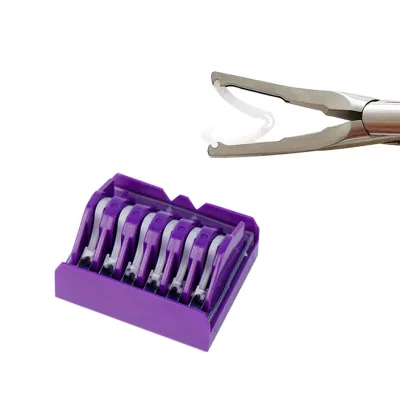
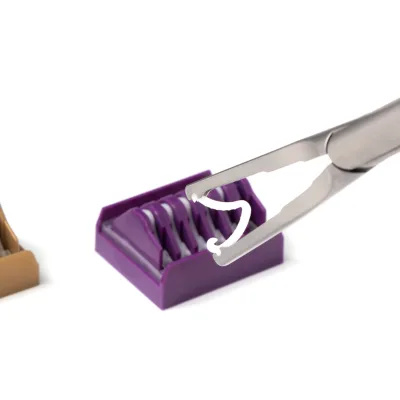
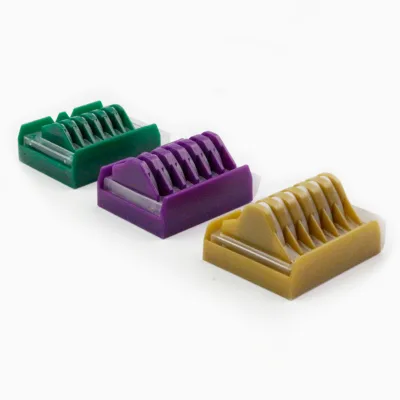
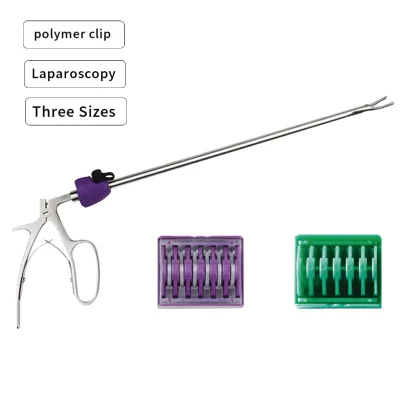
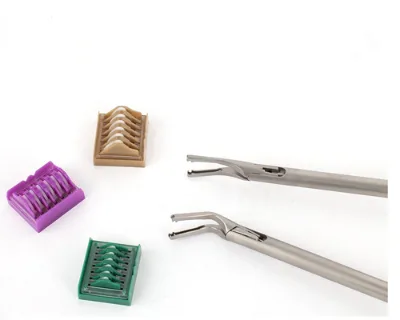
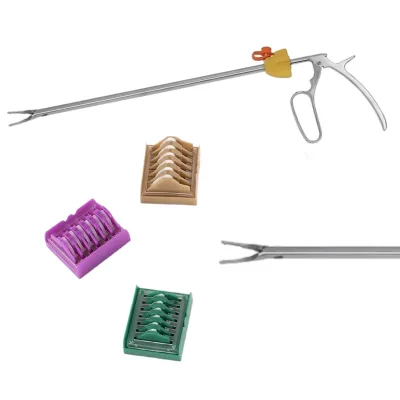
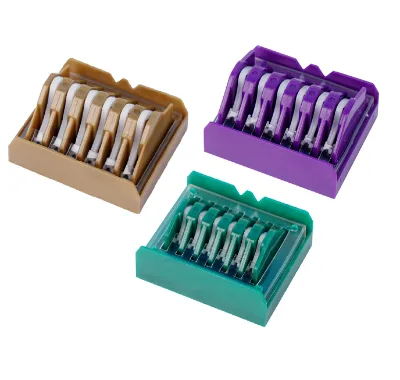
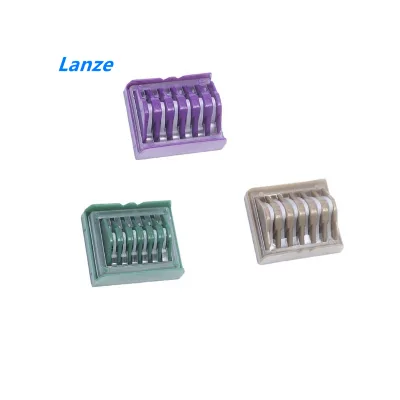
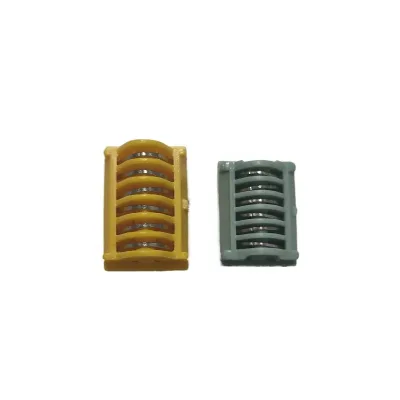
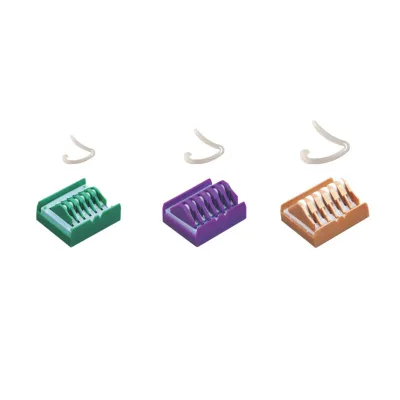
Current market listings reveal a diverse range of surgical tools, including titanium ligating clips and reusable polymer clamps. Observed product attributes indicate a wide variety of colors, such as purple, blue, green, yellow, and black, which often correspond to specific tissue sizes or vessel diameters. For instance, titanium clips may come in cartridges with six clips each, while other systems offer boxes containing up to eighty-four clips. These visual cues are vital for quick identification in the operating room, ensuring that surgeons select the correct size for the intended application, whether abdominal or general surgical use.
Packaging standards vary significantly across suppliers, with options ranging from blister packs with Tyvek paper to standard carton boxes. Some listings highlight sterile conditions achieved through ethylene oxide sterilization, a critical factor for immediate usability in sterile surgical rooms. The presence of OEM services and customization options suggests a flexible supply chain capable of meeting specific hospital branding or procedural requirements. Buyers should carefully review single package sizes and gross weights to calculate accurate shipping costs and storage requirements, ensuring that the procurement process aligns with facility logistics capabilities.
Technical Specifications to Verify
Technical verification must begin with the model number and material composition, which define the instrument's performance characteristics. For reusable clamps, materials like POM are common, offering a balance of strength and flexibility, while titanium clips provide high-quality standards for ligation. Buyers should verify the specific model numbers, such as LANZE-5 or LANZE-6, to ensure compatibility with existing surgical trays and instruments. The size classifications, including S/M/L or specific tissue size ranges like 2-7mm, must match the clinical needs of the surgical department to prevent intraoperative delays or complications.
Additional specifications such as shelf life, weight, and after-sale service support are equally important for long-term operational efficiency. A typical shelf life of one year requires careful inventory rotation to minimize waste, while the weight of the instrument affects surgeon fatigue during extended procedures. Buyers should confirm whether the product includes online technical support, which can be invaluable for troubleshooting usage issues. Furthermore, verifying the supply ability, such as 1000 pieces per day, ensures that the supplier can meet peak demand periods without compromising delivery timelines or quality standards.
Compliance and Safety Documentation
Compliance with international safety standards is non-negotiable for surgical instruments. Buyers must verify that suppliers hold relevant quality certifications, such as ISO 13485 and CE marks, which indicate adherence to strict manufacturing and quality management protocols. The presence of these certifications ensures that the products meet the necessary regulatory requirements for medical devices in various markets. It is crucial to request copies of these certificates and validate their authenticity, as they serve as the primary evidence of a supplier's commitment to safety and quality control.
Sterilization methods are another critical compliance aspect, with ethylene oxide sterilization being a common standard for single-use and some reusable items. Buyers should confirm that the sterilization process is validated and that the packaging maintains sterility until the point of use. Additionally, checking for specific product standards, such as those for titanium ligating clips, ensures that the materials used are biocompatible and safe for patient contact. Documentation should also include clear labeling of features like "Sterile" or "Reusable" to prevent misuse and ensure patient safety during surgical procedures.
Cost Drivers and Commercial Terms
Cost structures for surgical clips are influenced by material costs, manufacturing complexity, and order volume. While observed price ranges can vary widely, buyers should focus on the total cost of ownership rather than just the unit price. Reusable clamps may have a higher upfront cost but offer savings over time compared to disposable titanium clips. Minimum order quantities (MOQ) typically start at 100 pieces, but larger orders may yield better pricing. Understanding these dynamics helps in negotiating favorable terms and managing budget constraints effectively.
Commercial terms such as delivery time and payment conditions also impact the overall procurement strategy. Standard delivery times may be as short as three days, but this can vary based on stock levels and customization requirements. Buyers should clarify whether the quoted prices include packaging, shipping, and any applicable taxes or duties. Additionally, confirming the availability of OEM services and logo printing can add value for hospitals looking to brand their instruments. Clear communication of these terms prevents unexpected costs and ensures a smooth transaction process.
Supplier Qualification and Quality Control
Supplier qualification involves assessing their production capabilities, quality control processes, and after-sale support. Buyers should verify the supplier's place of origin, such as Chongqing, China, and evaluate their reputation in the medical device industry. Requesting samples for physical inspection allows buyers to assess the build quality, finish, and functionality of the instruments. It is also important to check if the supplier accepts OEM orders and provides customization options, which can be crucial for meeting specific institutional needs.
Quality control measures should include regular audits of the manufacturing process and final product inspections. Buyers should inquire about the supplier's defect rate and their procedures for handling non-conforming products. After-sale services, such as online technical support, are essential for resolving any issues that may arise post-purchase. Establishing a clear communication channel with the supplier ensures that any quality concerns are addressed promptly. Building a relationship with a reliable supplier can lead to better pricing, priority service, and consistent product quality over time.
Long-Term Procurement Checks
Long-term procurement success depends on continuous monitoring of supplier performance and product quality. Buyers should establish key performance indicators (KPIs) to track delivery times, product defects, and customer satisfaction. Regular reviews of these metrics help identify potential issues early and allow for corrective actions. It is also important to stay updated on any changes in regulatory requirements or industry standards that may affect the procurement of surgical instruments. Adapting to these changes ensures ongoing compliance and minimizes risks.
Inventory management strategies should be optimized to balance stock levels with shelf life constraints. Since many products have a one-year shelf life, implementing a first-expired-first-out (FEFO) system can reduce waste. Buyers should also consider the scalability of their supply chain to accommodate fluctuations in demand. Engaging in periodic supplier evaluations and exploring alternative sources can enhance supply chain resilience. By maintaining a proactive approach to procurement, hospitals can ensure a steady supply of high-quality surgical clips, supporting efficient and safe patient care.
FAQs
What is the shelf life of the reusable hemolok ligation clip?
The shelf life is one year from the date of manufacture. This duration applies to the sterile packaging provided by the supplier. Buyers should verify the expiration date on the carton before use in the surgical room to ensure safety and compliance with ISO13485 standards.
Can I order the reusable hemolok ligation clip with a custom logo?
Customization is available for this product line, but logo printing is currently listed as without logo printing for standard orders. Buyers seeking branding must confirm specific OEM service details with the manufacturer in Chongqing, China, as the default configuration does not include printed logos on the clips.
Which certifications does the reusable hemolok ligation clip hold?
The product holds CE and ISO certifications, specifically meeting the ISO13485 safety standard. These quality certifications ensure the device meets international medical device requirements. Buyers should request the specific quality certification documents to verify compliance before placing bulk orders for surgical applications.
How long is the delivery time for the reusable hemolok ligation clip?
The standard delivery time is three days from the order confirmation. This lead time applies to the supply ability of 1000 pieces per day. Buyers should note that actual shipping duration may vary based on the destination and specific logistics arrangements with the factory in China.
What is the minimum order quantity for the reusable hemolok ligation clip?
The minimum order quantity is 100 pieces for standard transactions. However, observed listings show an MOQ range from 1 to 840 pieces depending on the specific model and customization needs. Buyers should confirm the exact MOQ with the vendor to ensure it aligns with their procurement budget.
What material is used to make the reusable hemolok ligation clip?
The clips are manufactured from high-quality titanium material. This material ensures durability and biocompatibility for abdominal surgical procedures. Some variants may also use POM for specific components, but the primary ligating clips are titanium to meet the required high-quality standard for medical use.
How are the reusable hemolok ligation clips packaged for shipment?
The clips are packed in blister packs with Tyvek paper or in cartons containing 84 clips per box. Each single package size is approximately 20 by 15 by 10 centimeters. The packaging ensures the sterile condition is maintained until the product reaches the surgical room for immediate use.